Keep Moisture Out,
Stop Floor Failures, Fast!
Credit: Chun han / iStock via Getty Images Plus
By Shiying Zheng
America Region Applied Technology Director for Civil Engineering, Evonik Corporation, Trexlertown-Allentown, PA
Concrete is one of the most commonly used construction materials due to its low cost, high strength and exceptional durability. In flooring applications, the demand for concrete is growing significantly for both interior and exterior use in residential and commercial settings, driven by a robust global construction market. This growth encompasses new construction projects as well as refurbishing and remodeling activities. However, concrete is a porous material with interconnected pores, making it susceptible to wear, deterioration and contamination. As a result, protective coatings are often required to enhance its physical performance, provide chemical resistance, improve aesthetics and serve as an impermeable barrier.
Cured concrete contains varying amounts of moisture, typically ranging from 1%–2% in ambient dry concrete to 4%–5% in wet concrete.¹ Due to its porosity and permeability, the moisture trapped within the concrete or originating from below can migrate to the concrete surface in vapor form. This moisture vapor transmission through concrete flooring is a major cause of blistering and delamination of concrete floor coatings, often leading to floor failure. Excessive moisture can also pose safety hazards, such as slips and falls, and encourage microbial growth, which can negatively impact indoor air quality. These issues result in significant financial losses and liability for property owners and businesses annually.
A moisture vapor barrier coating has proven to be an effective solution to address moisture vapor transmission. These coatings can be applied to both new and existing construction projects, serving as the final layer before applying the floor covering. The floor covering may include tile, wood, carpet, laminate or seamless flooring systems such as broadcast or terrazzo floors.
Among the various polymeric coating materials used as moisture vapor barriers, epoxy-based systems are most commonly employed due to their ease of application, excellent adhesion and compatibility with damp concrete. Traditionally, epoxy systems rely on reactive diluents and plasticizers such as benzyl alcohol to ensure full chemical conversion of the polymer matrix. These components reduce the viscosity and the concentration of reactive groups and increase mobility of the reactive species,² enabling a sufficient degree of cure beyond the gel point and ensuring high performance of the flooring product.³ However, one of the challenges associated with epoxy floor coatings is the potential emission of plasticizers, which can pose risks to building occupants and the environment throughout the floor’s service life. Consequently, new product development in epoxy floor coatings focuses on maintaining high performance while minimizing potential emissions from the plasticizer.

Credit: very good / iStock via Getty Images Plus
Another key driver in the coatings industry is the need to minimize downtime and improve productivity. This demand translates into the development of fast-curing coatings that enable quick return to service with minimal interruption. Rapid property development allows businesses to resume normal operations quickly. However, fast curing often comes with trade-offs, such as reduced working time and compromised environmental, health and safety (EHS) profiles. The cure speed of amine-epoxy systems is typically accelerated using phenolic compounds such as t-butylphenol or nonylphenol,⁴ which are not EHS-friendly and pose health and safety risks to workers and the environment. Achieving a balance among fast curing, adequate working time and improved EHS performance has been a long-standing challenge in the coatings industry.
This paper introduces the development of a novel low-emission amine curing agent technology that delivers fast cure speed, excellent moisture vapor barrier properties and extended working time, all without the use of hazardous accelerators. The new curing agent is benchmarked against a conventional benzyl alcohol-containing epoxy system and earlier generations of moisture vapor barrier products. The results demonstrate that the new curing agent achieves full cure at both ambient and low temperatures, provides superior moisture vapor barrier performance and offers an improved product labeling profile.
Experimental
The new amine curing agent used in this study as a moisture vapor barrier is referred to as MVB4, while previous-generation products are designated as MVB1, MVB2 and MVB3. A conventional curing agent used for comparison is labeled as CA1.⁵ All coatings or castings were prepared using standard bisphenol A liquid epoxy resin (e.g., DER331 or Epon828) diluted with one or more reactive diluents, such as a glycidyl ether of C12–14 alcohol (e.g., Epodil 748), a C8 alcohol (e.g., Epodil 746) or a diglycidyl ether of neopentyl glycol (e.g., Epodil 749) at 1:1 stoichiometry unless otherwise specified.
Credit: Interiors3D / iStock via Getty Images Plus
The viscosity profiles were measured using a Brookfield viscometer at 25 °C with approximately 12 g of mixed material. Coatings for thin film set time (TFST) and Persoz hardness were applied on glass substrates at a wet film thickness (WFT) of 150 µm (6 mils). TFST was determined using a Beck-Koller recorder, in accordance with ASTM D5895. Persoz hardness was measured in accordance with ASTM D4366 after curing at 23 °C or 10 °C and 50% relative humidity (RH) for 1 day and 7 days. Shore D hardness was tested on a ¼ in. thick clear casting prepared in a circular metal lid with a diameter of 2.75 in. using 35 g of materials, in accordance with ASTM D2240. The gel time of a 150 g mixture was recorded using a Techne GT-3 gelation timer, as the time required for the mixed epoxy resin and curing agent to reach a defined viscosity. The gel timer is equipped with a disposal plunger (22 × 5 mm) operated at one cycle per minute.
Concrete adhesion was tested in accordance with ASTM D7234. Epoxy coatings were applied to a concrete block (1.5 in. thick) with a surface profile of CSP 2 or 3 (as defined by the International Concrete Repair Institute) at 150 µm WFT using a roller. The coatings were cured for at least 7 days under specified conditions. After curing, dollies were glued to the surface, allowed to cure overnight and pulled off using a portable pull-off adhesion tester. Adhesion strength and failure modes were recorded.
Intercoat adhesion was evaluated using two methods. The first method was conducted on a metal substrate in accordance with ASTM D3359 (Test Method A – X-cut tape test). Results were recorded on a relative scale of 1A–5A, with 5A indicating no visible peeling or coating removal. The second method was conducted on a concrete substrate in accordance with ASTM D7234. An epoxy primer coat (150 µm or 6 mils WFT) was applied to the substrate using a roller, followed by a topcoat after a specified time. In both test methods, the topcoats were cured at 23 °C/50% RH for 7 days before testing.
Moisture vapor transmission (MVT) was tested in accordance with ASTM E96-20 using the wet cup method. Epoxy coatings were applied to 1 in. thick concrete blocks with a roller and cured for 7 days before testing. Test specimens were fabricated at a set thickness in triplicate, with the coating side exposed to 23 °C/50% RH and the bottom side exposed to water. Specimens were placed in stainless steel flanged pans (6.75 × 10.75 × 2.0 in.) sealed with SM5143 vacuum sealant tape.
Credit: baona / iStock via Getty Images Plus
Credit: Option 2 Placement
The degree of cure was determined by differential scanning calorimetry (DSC). About 5–10 mg of epoxy-curing agent mixture was analyzed using a TA Instruments Q2000 DSC calibrated in T4P mode with indium. The sample was heated from −50 °C to 250 °C at 10 °C/min, cooled back to −50 °C and reheated to 250 °C. The degree of cure was calculated by subtracting the residual heat of cure (after a specified cure time) from the initial total heat of cure, then dividing by the initial total heat of cure.
Dynamic mechanical analysis was conducted using an RSA G2 rheometer (TA Instruments) equipped with thin film geometry. Formulations were prepared using two 1-minute cycles on a FlackTek SpeedMixer. Freshly prepared mixtures were cast at 125 µm thickness and cured at 23 °C/50% RH for 7 days. Dynamic mechanical data were collected over a temperature range of −20 °C to 200 °C using a 1-minute soak time and a deformation frequency of 6.28 rad/s. The midpoint glass transition temperature (Tg) was determined as the peak of the tan delta curve.
Mechanical properties of epoxy castings in compression mode were measured using an Instron 5582 materials testing machine equipped with a 100 kN load cell and LVDT deflector sensor. Clear casting samples were prepared as rectangular bars (1 in. × 1 in. cross-section) and cured for 7 days at ambient conditions. Bars were cut into 1 in. cubes and testing was performed in accordance with ASTM D695 at a crosshead speed of 0.1 in./min using Bluehill 3 Universal Testing Software. Testing was stopped at the yield point, fracture or 25% deflection, whichever occurred first. Samples were placed between compression anvils, with one attached to the baseplate and the other to the load cell.
Results and Discussion
Plasticizer Facilitates High Amine-Epoxy Reaction in Epoxy Systems
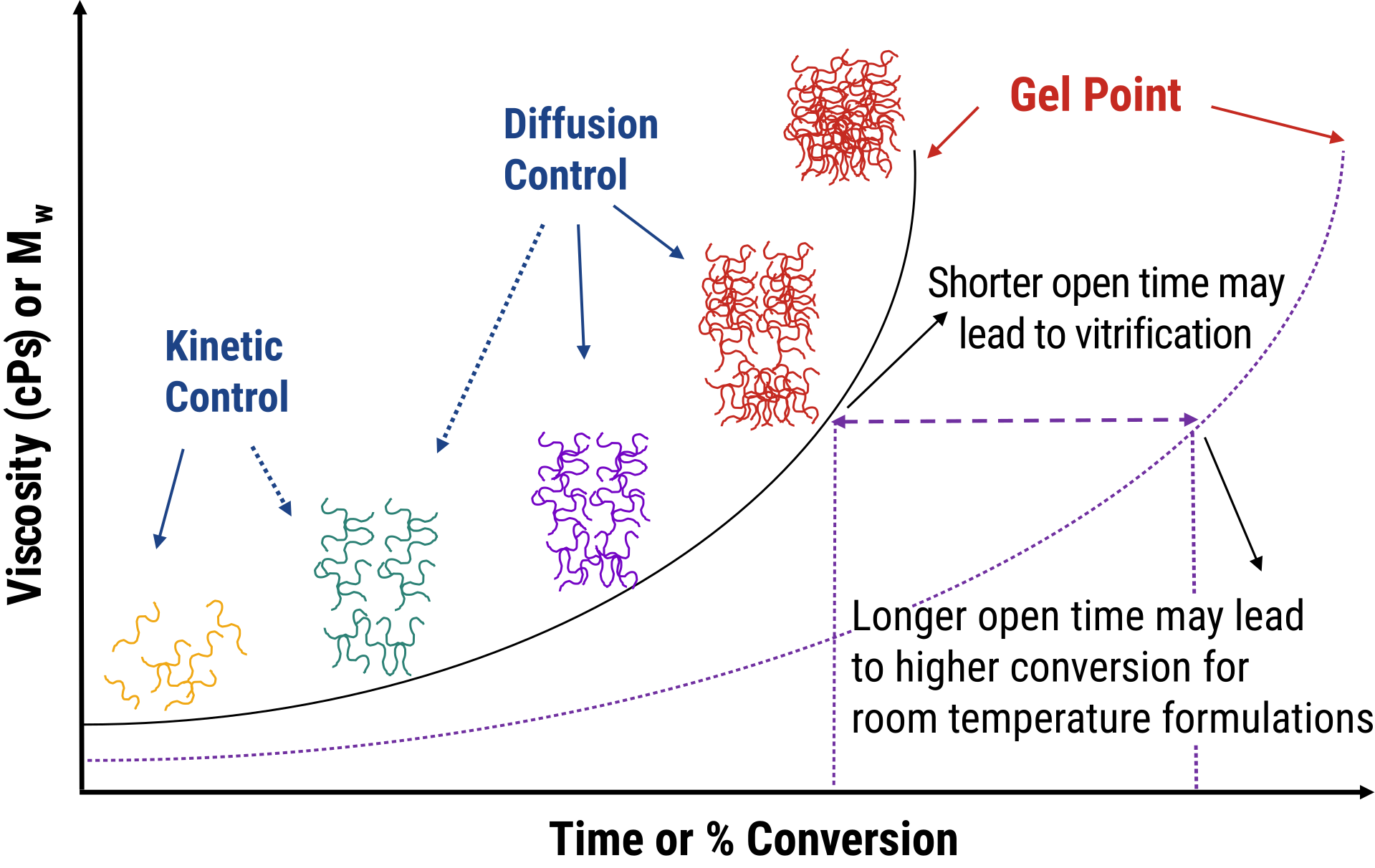
In two-component epoxy systems, the cure mechanism is governed by both reaction kinetics and diffusion processes. As illustrated in Figure 1, the early stage of the cure process is dominated by reaction kinetics, while the latter stage is increasingly controlled by diffusion. The ultimate properties of the cured system depend on the interplay between these two factors.
In two-component epoxy systems, the cure mechanism is governed by both reaction kinetics and diffusion processes.
A longer open time allows the resin and curing agent more time to react in the kinetics-controlled region, enabling higher conversion before the gel point is reached. If the gel point is reached prematurely, molecular “gridlock” can occur, preventing further reaction of unreacted groups. This condition, often referred to as vitrification or the “B stage,” results in extremely slow further reactions, leading to a brittle cured system with limited toughness.
To enhance molecular mobility and extend open time, one common approach in the industry is to incorporate non-reactive plasticizers such as benzyl alcohol. These plasticizers reduce the viscosity of the epoxy system and increase the mobility of the reactive species, therefore improving reaction kinetics even at higher conversion and enhancing the overall degree of cure.
Table 1 summarizes the cured properties of isophorone diamine (IPD)-based systems with and without benzyl alcohol. The samples were prepared with standard bisphenol A epoxy resin (e.g., Epon 828) at 1:1 stoichiometry and cured under designated conditions. For thin film set time (TFST), the clear coating without benzyl alcohol cured faster than the coating with 40% benzyl alcohol, both at ambient temperature and 10 °C. This is consistent with the illustration in Figure 1, where the addition of benzyl alcohol extends the open time by slowing the reaction kinetics. Both systems showed similar Persoz pendulum and Shore D hardness development. However, the casting without benzyl alcohol lacked physical strength, was brittle and shattered easily. In contrast, the sample with benzyl alcohol demonstrated significantly improved toughness, underscoring the role of plasticizers in enhancing the mechanical properties of epoxy systems.
Figure 1. Illustration of epoxy cure in time versus viscosity increase.
Credit: Courtesy of Evonik

Credit:
Credit:
Credit:
Source: xxx
The development of physical properties directly correlates with reaction conversion, which is a function of the degree of epoxy cure. As shown in Figure 1, the presence of benzyl alcohol enhances conversion and increases the degree of cure. The degree of cure was evaluated using differential scanning calorimetry (DSC) after 1, 2 and 7 days of curing.⁶ The results consistently showed that the system containing benzyl alcohol achieved a higher degree of cure compared to the system without it. After 7 days of curing at ambient temperature, the system with benzyl alcohol reached 90% conversion, whereas the system without benzyl alcohol only achieved 70% conversion due to “B stage” or vitrification.
Table 1. Comparison of cure properties of IPD with and without plasticizer.
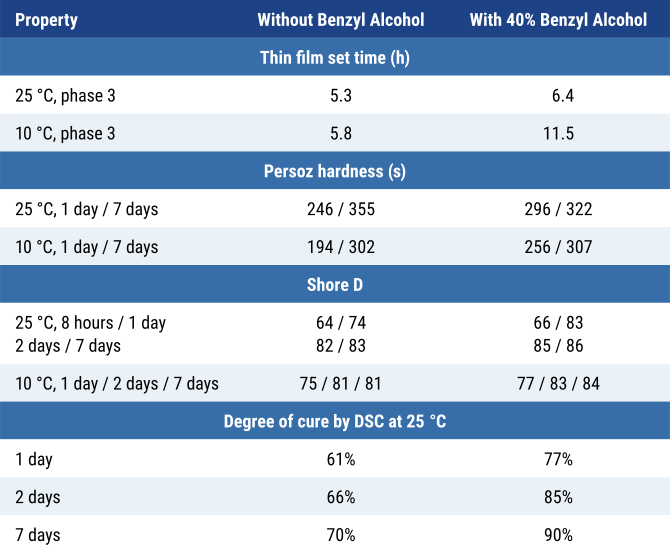
Cured with standard bisphenol A liquid epoxy resin (EEW = 190).
Credit:
Credit:
Credit:
Source: xxx
These findings highlight the critical role of plasticizers such as benzyl alcohol in enhancing molecular mobility, extending open time and promoting a more complete cure. By preventing vitrification, plasticizers enable the epoxy system to achieve superior mechanical properties and toughness. However, plasticizers can potentially lead to slow emissions into the indoor environment over the service life of a floor, posing concerns for building occupants and the environment.
A key challenge for epoxy flooring technology is to reduce or eliminate plasticizers in formulations while maintaining high conversion rates and excellent coating properties. The development of advanced curing systems that achieve these goals is essential for addressing environmental, health and safety (EHS) concerns, as well as meeting regulatory requirements and market demands for sustainable, high-performance flooring solutions.
New Curing Agent MVB4 Delivers Excellent Cure Speed, Long Working Time and Maintains High Reaction Conversion Without Using Benzyl Alcohol
Similar to the previous generations of moisture vapor barrier products (MVB1, MVB2 and MVB3), the new curing agent, MVB4, is designed without using benzyl alcohol. All moisture vapor barrier products were evaluated against a conventional benzyl alcohol-containing cycloaliphatic curing agent, CA1. CA1 is an industry-standard cycloaliphatic curing agent known for its good curing speed, aesthetics, mechanical properties and chemical resistance.
Table 2 summarizes the basic handling properties of the curing agents evaluated in this study. All MVB curing agents show low viscosity, with CA1 exhibiting the lowest viscosity overall. Among the MVB products, MVB1 is the slowest curing agent with the longest gel time, while MVB3 is a faster curing agent but has the shortest working time. In contrast, the new MVB4 delivers the fastest cure speed while maintaining a longer working time compared to MVB2 and MVB3, as discussed in the next section.
Table 2. Basic handling properties of curing agents.
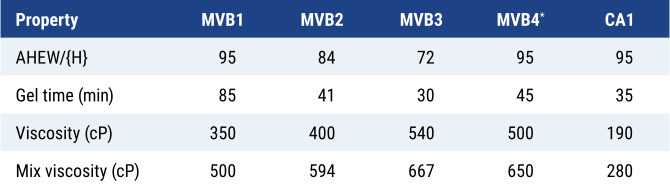
Cured bisphenol A epoxy resin (Epon 828) diluted with 10% Epodil 748 and 10% Epodil 749 reactive diluent (EEW = 190).
*MVB4 tested at 50 phr.
Credit:
Credit:
Credit:
Source: xxx
MVB4 Demonstrates Fast Property Development
MVB4 delivers the fastest cure speed both at room temperature and at a low temperature of 10 °C, as shown in Table 3. The fast cure speed also translates into rapid mechanical property development in both coatings and thick castings. For example, the early Persoz pendulum and Shore D hardness develop quickly. In flooring applications, a Shore D hardness of 50 is typically considered the minimum required for early “walk-on” conditions. Even at 10 °C, the MVB4 system achieves early “walk-on” readiness in less than 24 hours, making it highly suitable for fast-track construction projects.
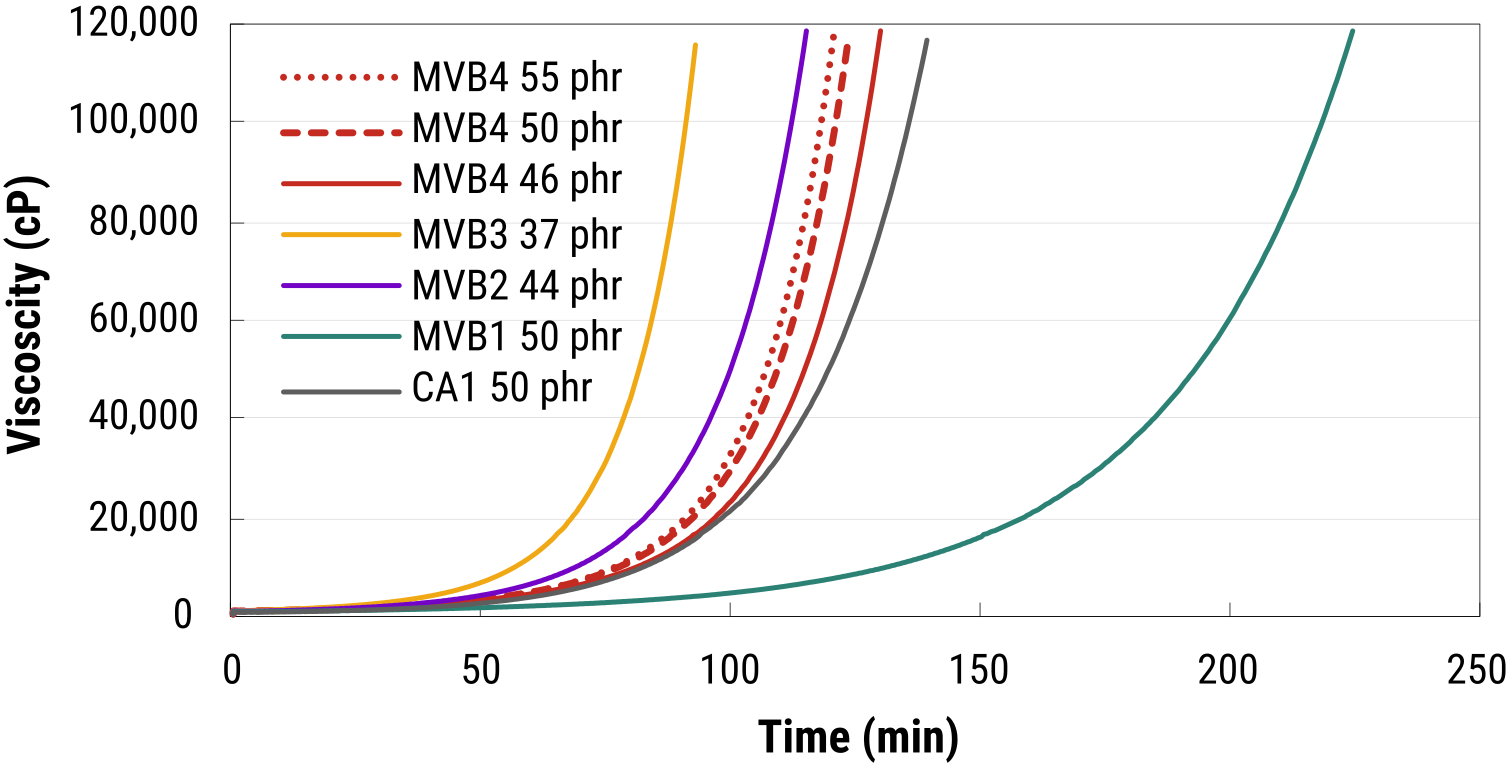
Figure 2 compares the cure viscosity profiles of all curing agents at 25 °C. As expected, MVB1 shows the slowest viscosity buildup, consistent with its longest working time, while MVB3 exhibits the fastest viscosity increase, followed by MVB2. In contrast, MVB4 demonstrates a unique combination of fast cure speed and longer working time. Despite achieving the fastest cure speed, MVB4 maintains a slower viscosity buildup at three different phr (parts per hundred resin) levels compared to MVB2 and MVB3. This ability to balance fast cure speed with extended working time is a key differentiator of MVB4’s design. Typically, fast cure speeds are achieved at the expense of reduced working time, but MVB4 successfully overcomes this trade-off, offering both productivity and long working time.
Figure 2. Viscosity profiles of curing agents at 25 °C.
Credit: Courtesy of Evonik
Credit:
Credit:
Credit:
Source: xxx
Table 3. Cure properties of the curing agents.
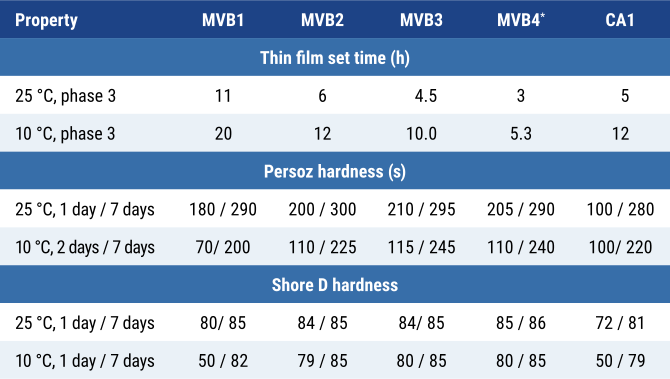
Cured bisphenol A epoxy resin (Epon 828) diluted with 10% Epodil 748 and 10% Epodil 749 reactive diluents (EEW = 190).
*MVB4 tested at 50 phr.
Credit:
Credit:
Credit:
Source: xxx
MVB4 Delivers Rapid Cure Speed
MVB4 also offers exceptionally fast cure speed at various phr levels and is compatible with both mono- and difunctional epoxy diluents. Table 4 presents the results of cure speed at 23 °C and 10 °C at three different phr levels. The left column of the table shows results with 10% Epodil 748, a glycidyl ether of C12–14 long-chain alcohol, while the right column shows results with Epodil 746, a glycidyl ether of 2-ethylhexyl alcohol.
At 23 °C, the cure speed difference between 46 phr (corresponding to a 2:1 mix ratio by volume) and the higher phr level of 55 is only one hour. At 10 °C, the cure speed difference is even less pronounced. In addition, the chain length of the reactive diluent has minimal impact on cure speed. Both the long-chain diluent (Epodil 748) and the shorter-chain diluent (Epodil 746) provide similar cure speeds across all phr levels. Minor differences in gel time are observed at lower phr levels (e.g., 46 phr versus 55 phr), with slightly longer gel times at lower phr, but these differences are not significant.
Table 4. Cure speed and gel time of MVB4 at various use levels and with different reactive diluents.

Cured bisphenol A epoxy resin (Epon 828) diluted with 10% Epodil 748 and 10% Epodil 749 reactive diluents (EEW = 190).
*MVB4 tested at 50 phr.
Credit:
Credit:
Credit:
Source: xxx
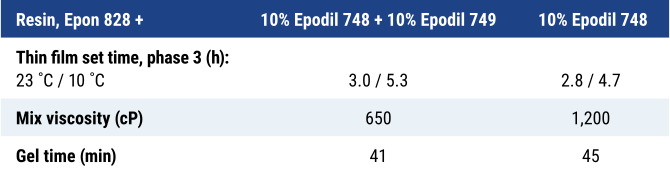
The level of reactive diluent (20% versus 10%) in the system also has minimal impact on cure speed, as shown in Table 5, but it significantly influences the mix viscosity. A lower mix viscosity allows for easier application of the coating, making it more attractive for practical use in flooring applications.
Table 5. Cure speed and mix viscosity of MVB4 with two levels of reactive diluents at 50 phr.
Cured bisphenol A epoxy resin (Epon 828) diluted with 10% Epodil 748 and 10% Epodil 749 reactive diluents (EEW = 190).
*MVB4 tested at 50 phr.
Credit:
Credit:
Credit:
Source: xxx
MVB4 Demonstrates High Degree of Cure
To better understand the phenomenon of viscosity buildup and cure speed, analytical techniques such as differential scanning calorimetry (DSC) and dynamic mechanical analysis (DMA) were employed to investigate the cure mechanism.
As discussed in the previous section, most epoxy systems require plasticizers such as benzyl alcohol to achieve high conversion and full property development. However, the new curing agent MVB4, along with MVB1, MVB2 and MVB3, was specifically developed with minimal to no benzyl alcohol. Despite this, these products demonstrated fast property development and achieved a high degree of cure at both ambient and sub-ambient temperature conditions. Their performance is comparable to the benzyl alcohol-containing curing agent CA1.
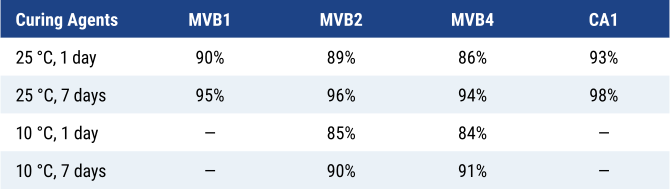
Table 6 displays the degree of cure, as determined by DSC, for resin-curing agent mixtures cured at ambient and low temperatures. Even at 10 °C, MVB4 achieved over 90% degree of cure after 7 days. This high degree of cure is particularly advantageous for industrial flooring applications, where ultimate performance depends on the development of mechanical, chemical and thermal resistance properties.
Table 6. Degree of conversion by DSC.
Cured bisphenol A epoxy resin diluted with 10% Epodil 748 and 10% Epodil 749 reactive diluent (EEW = 190).
Credit:
Credit:
Credit:
Source: xxx
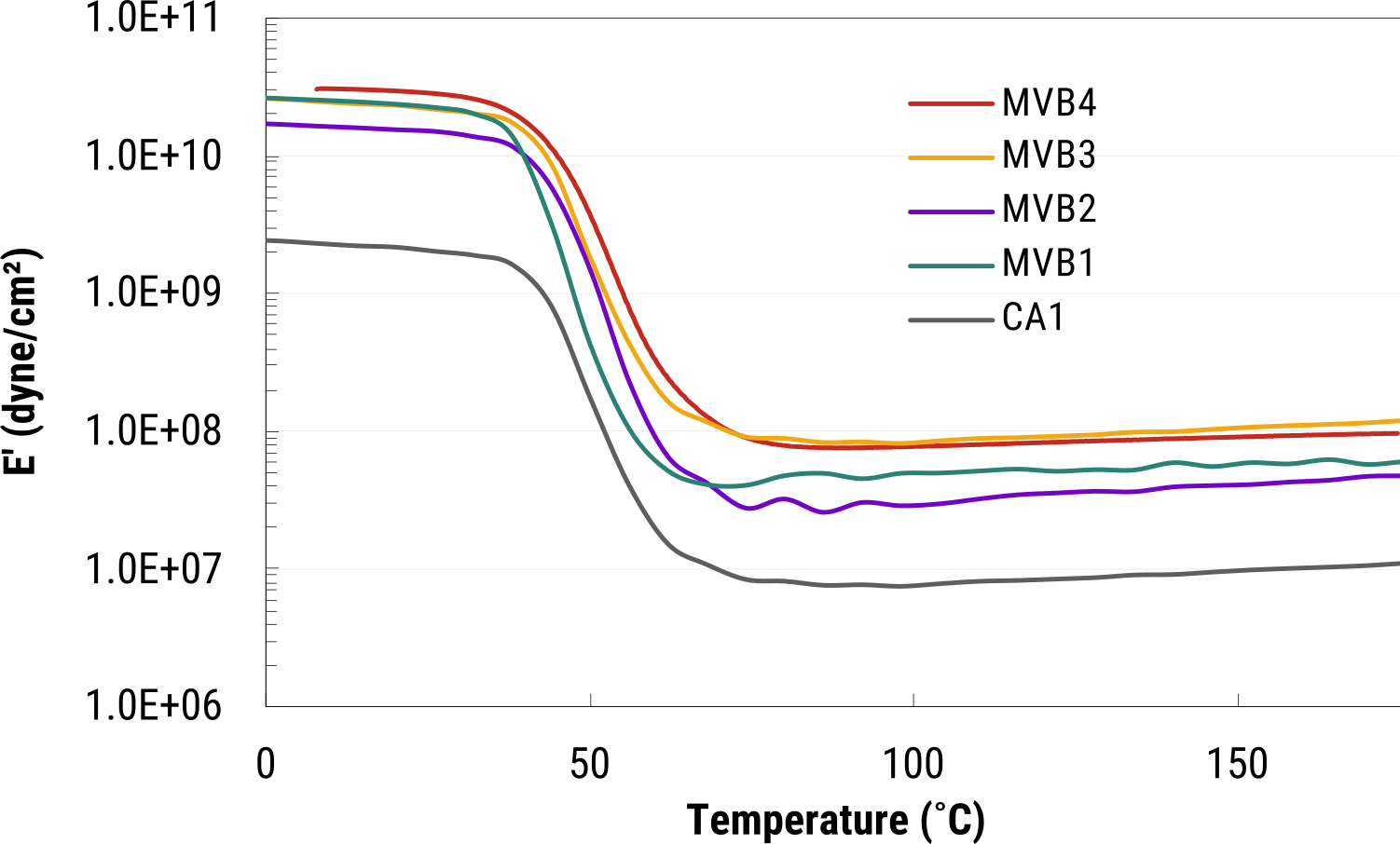
The high degree of cure is further supported by the DMA results, which provide insights into mechanical properties such as the storage modulus (E'). Storage modulus measures the elastic response of a viscoelastic material, reflecting the stored energy.⁷
In this experiment, CA1, MVB1, MVB2 and MVB3 were cured with a bisphenol A/F resin and Epodil 748 (DER353, EEW = 195, viscosity 900 cP), while MVB4 was cured with bisphenol A resin and Epodil 748 in a 90/10 weight ratio. All coatings were cured at 23 °C and 50% RH for 7 days. Figure 3 compares the storage modulus (E’) of all samples. The E’ values of all samples remained relatively flat across the temperature sweep up to 200 °C, indicating a high degree of cure after 7 days and minimal post-cure during temperature ramp in the rheometer. Similar to the conventional curing agent CA1, which achieves a high degree of cure due to molecular mobility and long open time provided by the plasticizer, the moisture vapor barrier products MVB1, MVB2, MVB3 and MVB4 also reach full cure with minimal to no benzyl alcohol.
Figure 3. DMA storage modulus of samples cured with diluted resin.
Credit: Courtesy of Evonik
Credit:
Credit:
Credit:
Source: xxx
MVB4 Provides Excellent Mechanical Properties and Improved Temperature Resistance to Coatings
MVB4 Delivers Excellent Compressive Strength and Toughness
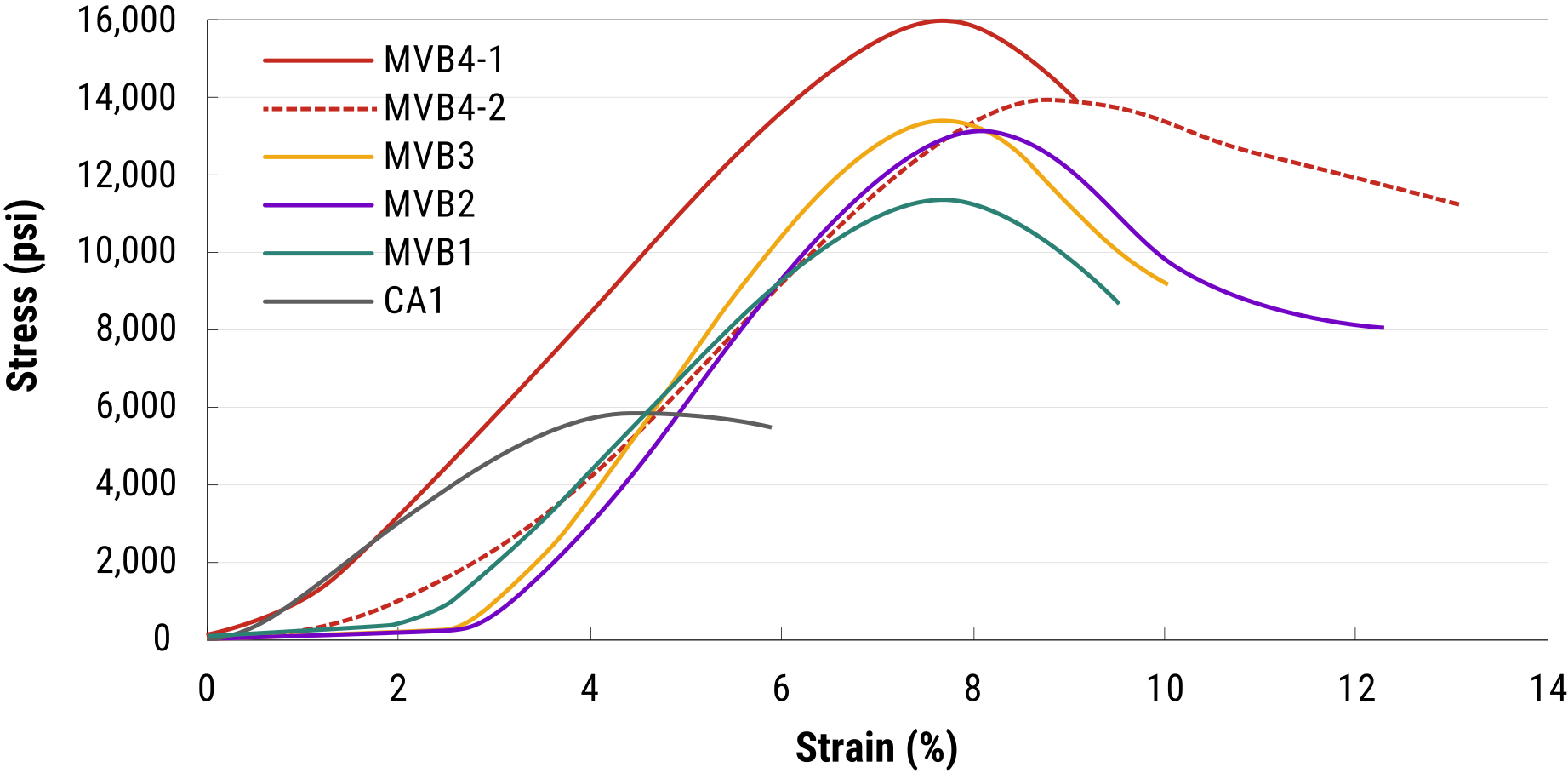
Epoxy flooring materials are well known for their high mechanical and load-bearing properties, making them essential for industrial flooring applications. High compressive strength is critical to protect not only the coating itself but also the underlying concrete structure from structural damage. Once the flooring reaches a fully cured stage and is put into service, maintaining long-term mechanical integrity is vital to ensure a durable and cost-effective service life. Additionally, it is important to assess whether minimizing plasticizers impacts the mechanical properties of the flooring system. The compressive strength of the cured systems was evaluated, as shown in Figure 4, which presents the stress-strain curves of clear castings.
Figure 4. Average compressive strength (ASTM D695) of all curing agents.
Credit: Courtesy of Evonik
Credit:
Credit:
Credit:
Source: xxx
CA1, MVB1, MVB2 and MVB3 were cured with the same resin system (bisphenol A/F resin with Epodil 748; DER353, EEW = 195, viscosity 900 cP), while MVB4-1 was cured with bisphenol A resin and Epodil 748 (90/10 weight ratio), and MVB4-2 was cured with bisphenol A resin, Epodil 748 and Epodil 749 (80/10/10 weight ratio). Castings based on CA1 demonstrated a lower compressive strength of 6,000 psi, while all MVB products exceeded 10,000 psi, showcasing significantly improved mechanical performance.
The stress-strain curves for MVB1, MVB2, MVB3 and MVB4-2 show a longer toe region followed by a linear region up to the yield point. In addition to having approximately twice the yield strength, the MVB products also display much higher stiffness in the elastic region with higher modulus, nearly double that of CA1. Furthermore, the MVB products show a higher percent strain, indicating greater toughness. These results demonstrate that MVB products provide stronger and tougher coatings compared to CA1.
The amount of reactive diluent also impacts the mechanical properties, as reflected in the stress-strain curves. Comparing MVB4-1 (10% reactive diluent) and MVB4-2 (20% reactive diluent), MVB4-2 demonstrates higher elasticity with greater percent strain and a longer toe region leading into the linear elastic region. This suggests that higher levels of reactive diluent improve flexibility without sacrificing compressive strength.
Table 7. Compressive strength data of clear castings.

Cured bisphenol A epoxy resin diluted with 10% Epodil 748 and 10% Epodil 749 reactive diluent (EEW = 190).
Credit:
Credit:
Credit:
Source: xxx
Improved Temperature Resistance
One potential drawback of using plasticizers in amine-cured epoxy thermoset systems is their impact on temperature resistance. In conventional cycloaliphatic amine-based epoxies, plasticizers are required to enable cure conversion at lower temperatures. However, the use of plasticizers often limits the glass transition temperature (Tg) of the cured system. For example, an amine-cured epoxy coating typically achieves a maximum Tg of around 55 °C when cured at 25 °C. When cured at 10 °C, the Tg is typically reduced to about 30–40 °C, though some post-curing may occur if the temperature is subsequently increased after the initial cure. The same principles of Tg development apply to epoxy thermoset systems without plasticizers. Therefore, it is important to evaluate how temperature impacts the mechanical integrity of conventional systems compared to MVB products, which are designed with minimal to no benzyl alcohol.
By eliminating or minimizing plasticizers, MVB products such as MVB4 demonstrate improved temperature resistance while maintaining high degrees of cure and excellent mechanical properties. This makes MVB4 a superior choice for industrial flooring applications where thermal resistance and long-term durability are critical performance factors.
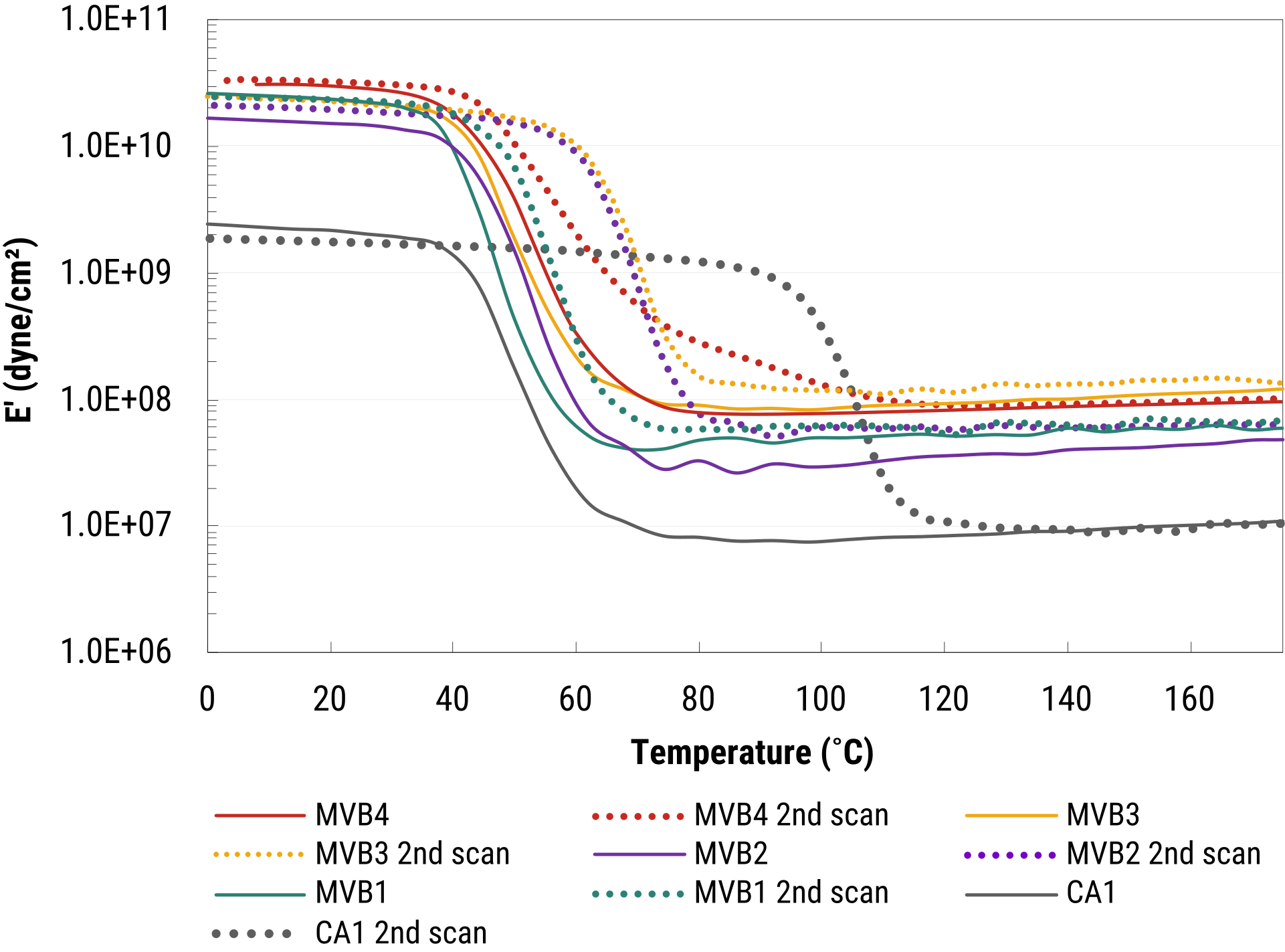
Figure 5. DMA storage modulus of samples of first and second scan.
Credit: Courtesy of Evonik
Credit:
Credit:
Credit:
Source: xxx
Figure 5 illustrates the storage modulus (E’) of cured clear coatings as a function of temperature, measured by DMA using the same resin as in Figure 3. The solid lines in the figure represent the first scan, while the dotted lines represent the second scan.
For the CA1 coating, there is a significant shift in Tg to a higher temperature between the first and second scan. Initially, the Tg of CA1 is around 57 °C, but it increases to 108 °C in the second scan. This behavior is typical of conventional epoxy thermoset systems, where non-reactive plasticizers evaporate or migrate out of the coating upon exposure to heat, leading to a higher Tg after the first heating cycle. In contrast, MVB products exhibit a much smaller shift in Tg between the first and second scans. For MVB products, the Tg increases from about 50 °C in the first scan to up to 70 °C in the second scan. This smaller shift indicates improved temperature resistance and reduced reliance on plasticizers. The midpoint Tg is summarized in Table 8. Figure 5 and Table 8 clearly demonstrate the improved temperature resistance of MVB coatings compared to conventional systems. This improved temperature resistance is particularly advantageous for flooring applications exposed to high temperatures, such as those in factories, commercial kitchens or other industrial environments. By maintaining mechanical integrity at elevated temperatures, MVB coatings can significantly prolong the service life of flooring systems, offering both performance and economic benefits.
Table 8. Midpoint Tg of cured coatings by DMA.

Cured bisphenol A epoxy resin diluted with 10% Epodil 748 and 10% Epodil 749 reactive diluent (EEW = 190).
Credit:
Credit:
Credit:
Source: xxx
MVB4 Provides Excellent Adhesion to Concrete and Moisture Vapor Barrier Properties
In previous sections, the advantages of the new curing agent MVB4 are demonstrated in fast cure speed, long working time and excellent mechanical properties. This section focuses on the benefits of using MVB4 as a moisture vapor barrier coating for concrete to address moisture transmission challenges.
Adhesion to Concrete
Adhesion to concrete is a critical requirement for moisture vapor barrier coatings, as it serves as the first line of defense against moisture vapor transmission from the concrete slab. These coatings must adhere effectively to concrete under various conditions, including dry, damp, fresh (green) or aged surfaces. Dry concrete is cured in a controlled environment (23 °C and 50% RH) for more than 28 days after casting and contains 1.5% moisture. Damp concrete is dry concrete that has been submerged in water for 24 hours and subsequently removed for testing, with a measured relative moisture content of 3% (determined using a Testo 606-1 material moisture meter set to material number 3 for cement screed/concrete). Green concrete is freshly poured concrete cured for 6 days, containing significant moisture and exhibiting high alkalinity with incomplete property development.
All concrete blocks used had a surface profile of CSP 2 or 3, as recommended by the International Concrete Repair Institute for surface preparation. The coatings were applied by roller at a 6 mil wet film thickness and cured at either 23 °C/50% RH or 10 °C/50% RH for 7 days. Adhesion testing was conducted in accordance with ASTM D7234. Two levels of reactive diluents in standard bisphenol A resin (Epon 828) were investigated.
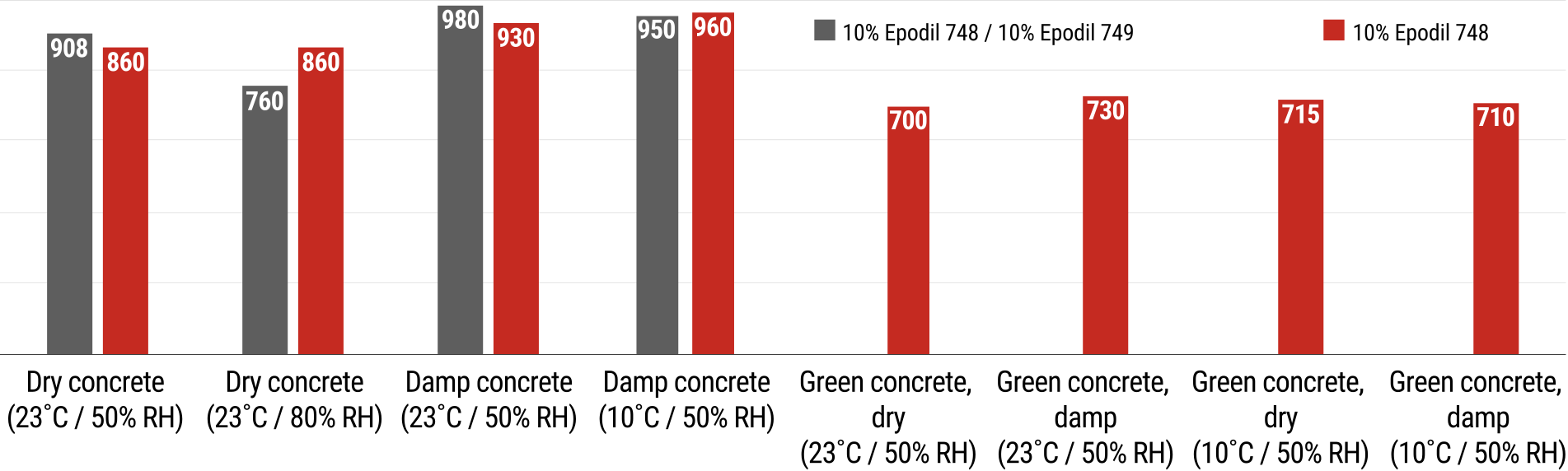
As shown in Figure 6, all tests result in bulk concrete failure, demonstrating the exceptional adhesion of MVB4 (tested at 50 phr) to dry, damp and green concrete under ambient conditions, at 10 °C and at high humidity levels up to 80% RH. Green concrete is particularly challenging due to its high moisture content, alkaline surface and underdeveloped mechanical properties. Despite these challenges, MVB4 exhibited strong adhesion to green concrete, providing a reliable foundation for subsequent coating layers. By ensuring robust adhesion to various concrete conditions, MVB4 delivers a durable and high-performance primer, enhancing the longevity and reliability of flooring systems.
Figure 6. Concrete adhesion of MVB4 to dry, damp and green concrete.
Credit: Courtesy of Evonik
Credit:
Credit:
Credit:
Source: xxx
Carbamation Resistance, Intercoat Adhesion and Overcoatability
Intercoat adhesion is essential for moisture vapor barrier coatings, as they serve as primers and tie layers between the substrate and subsequent coatings. Strong intercoat adhesion ensures effective overcoatability, which is important for multilayer systems.
One important factor influencing intercoat adhesion is carbamation resistance. Carbamation occurs when low-molecular-weight amines from the curing agent migrate to the surface of the coating and react with carbon dioxide and moisture in the air, forming ammonium salts. This undesirable process competes with the amine-epoxy reaction and is especially pronounced under low-temperature and high-humidity conditions. Carbamation can result in surface defects such as haziness, reduced gloss, greasiness or visible white salts, which compromise both the coating’s aesthetics and intercoat adhesion. For primers, carbamation resistance is particularly important to ensure strong adhesion to subsequent coating layers.
Carbamation resistance was evaluated using the wet patch method described in ISO 2812. Coatings were applied to black Leneta cards and exposed to a cotton patch saturated with water for 24 hours following the specified cure duration and temperature conditions. The degree of carbamation was rated on a relative scale of 1 to 5, with 5 indicating no signs of carbamation.
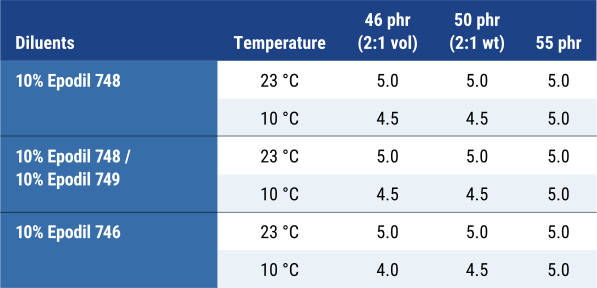
Table 9 presents the carbamation resistance results for MVB4 at three phr levels with three diluent combinations under ambient and 10 °C conditions. MVB4 exhibited excellent carbamation resistance after 24 hours, even at low temperatures. Notably, the level and type of diluents had no impact on the superior carbamation resistance of MVB4. This exceptional resistance ensures strong intercoat adhesion and reliable overcoatability, making MVB4 an ideal choice for moisture vapor barrier coatings in demanding environments.
Table 9. Carbamation resistance results of MVB4.
Cured with standard bisphenol A resin (Epon 828) with diluents.
Credit:
Credit:
Credit:
Source: xxx
Overcoatability is a critical criterion for a moisture vapor barrier coating, as most flooring systems utilize a multilayer configuration to achieve optimal performance. In a seamless flooring system, a primer coating is typically followed by a mid-coat and/or topcoat. These mid-coats and topcoats can be filled, pigmented or clear coatings and can use various thermoplastic or thermoset technologies such as epoxies, polyurethanes, polyureas or acrylics. In a resilient flooring system, a primer coating is followed by a self-leveling layer and then covered by floor covering such as wood, tile or carpet.
To evaluate overcoatability, the intercoat adhesion of the moisture vapor barrier primer to subsequent coating layers was tested. Two methods were used to assess intercoat adhesion: on metal substrate in accordance with ASTM D3359 (Test Method A – X-cut tape test) and on concrete substrate in accordance with ASTM D7234. Two types of topcoats were applied to the MVB4 primer: a commercially available fast-cure aliphatic polyurea⁸ and a fast-cure low-yellowing epoxy⁸ topcoat.
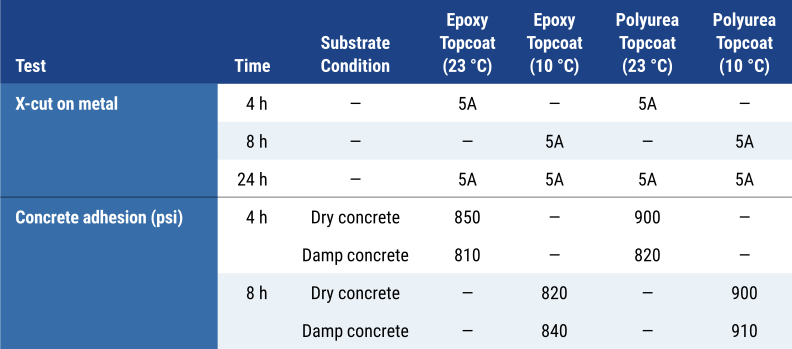
Given that MVB4 is designed for ultra-fast curing and rapid return to service, the feasibility of applying two coats within a single day was investigated. At 23 °C, the topcoat was applied 4 hours after the primer, while at 10 °C, the topcoat was applied 8 hours after the primer. Table 10 presents the intercoat adhesion results, which demonstrate that MVB4 provides excellent adhesion to both epoxy and aliphatic polyurea topcoats under ambient and low-temperature conditions. The ability of MVB4 to cure quickly while maintaining strong intercoat adhesion enables applicators to apply multiple layers within a single day, offering a fast return-to-service solution for flooring systems.
Table 10. Intercoat adhesion testing of topcoat to moisture vapor barrier coatings.
Cured with standard bisphenol A resin (Epon 828) with diluents.
Credit:
Credit:
Credit:
Source: xxx
Barrier to Moisture Vapor Transmission
Concrete is a permeable material that allows moisture to pass through its surface in vapor form. This moisture migration can lead to floor failures, resulting in significant financial losses. Applying an effective moisture vapor barrier (MVB) to the surface of the concrete can significantly reduce moisture vapor transmission caused by hydrostatic pressure or capillary flow. To be effective, an MVB must exhibit extremely low moisture vapor transmission, as even small amounts of moisture trapped beneath non-permeable floor coverings can cause adhesive failure, delamination or microbial growth.
The moisture vapor transmission (MVT) of a coating is evaluated using ASTM E96. Test specimens were prepared at specific coating thicknesses and sealed to stainless steel pans partially filled with water. These assemblies were placed in a controlled environment (23 °C/50% RH) and weighed regularly to the nearest 0.0001 g. The moisture vapor transmission rate was calculated and the permeance value was derived, expressed in perms (grains of water per hour per square foot per inch of mercury). A value of 0.10 perm or lower is required for an effective moisture vapor barrier.
Table 11 summarizes the moisture vapor permeance values of various MVB products at different thicknesses and diluent combinations. The results are also compared to a 50/50 blend of MVB1 and a benzyl alcohol-containing curing agent (CA2).⁹ At 10 or 12 mils, all MVB products exhibit water vapor permeance values below the required 0.10 perm. At 16 mils, the permeance was further reduced to approximately 0.05 perm, half the required threshold. In contrast, the 50/50 blend of MVB1/CA2 showed a permeance of 0.12 perm, exceeding the 0.10 perm requirement. This higher permeance is likely due to the presence of benzyl alcohol, which may evaporate from the coating over time, leaving voids in the film. These voids could create channels for moisture vapor transmission, compromising the barrier performance.
For MVB4, comparison between coatings made with a shorter C8 chain diluent (Epodil 746) and a longer C12–14 chain diluent (Epodil 748) revealed minimal differences in permeance. Additionally, varying the amount of diluent (10% versus 20%) has only a minor positive effect on permeance. Overall, the moisture vapor testing demonstrates that all MVB products are highly effective at blocking moisture vapor transmission from concrete due to their exceptionally low water vapor permeance.
Table 11. Moisture vapor transmission rate at various thicknesses.
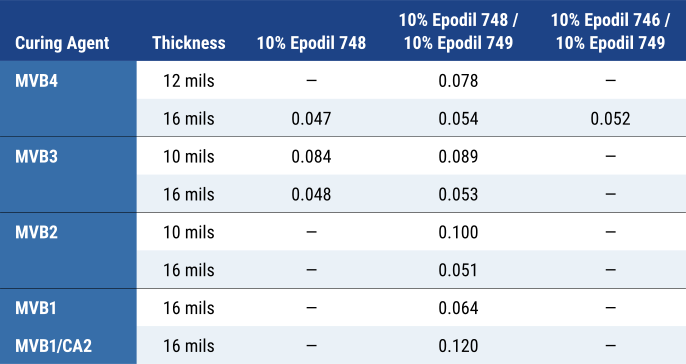
Tested with standard epoxy resin (Epon 828) with diluents.
Credit:
Credit:
Credit:
Source: xxx
Conclusions
Novel epoxy systems utilizing the new amine curing agent MVB4 were developed to deliver a unique combination of ultra-fast curing, extended working time and low emissions. These systems exhibit a high degree of cure, rapid property development and superior mechanical properties, along with enhanced temperature resistance compared to conventional epoxy systems containing plasticizers such as benzyl alcohol. Importantly, MVB4-based systems are formulated without benzyl alcohol, ensuring compliance with stringent emission standards.
The new MVB4-cured systems demonstrate exceptional performance, including outstanding adhesion to concrete under a wide range of conditions (dry, damp, green concrete and high humidity), excellent carbamation resistance, which ensures strong intercoat adhesion for multilayer systems, and extremely low moisture vapor permeance, making them highly effective as moisture vapor barriers for concrete floors.
The ultra-fast cure speed of MVB4 facilitates rapid return to service, allowing multiple coats to be applied within a single day. In addition, MVB4 systems are eco-friendly, containing no volatile organic compounds (VOCs) or harmful materials such as alkyl phenol. This combination of performance, ease of application and improved EHS labeling makes MVB4 an excellent choice for moisture vapor barrier coatings, epoxy flooring and other coating systems where low emissions are required. These innovations provide a reliable and effective solution to mitigate moisture-related floor failures, ensuring long-lasting performance and enhanced durability for demanding environments.
Acknowledgements
The author would like to thank Mr. Michael Oberlander for his valuable contributions to the experimental work presented in this paper.
References
¹ Moisture in Concrete and Moisture-Sensitive Finishes and Coatings; Cement Concrete & Aggregates Australia, April 2007.
² Tanaka, Y. Synthesis and Characteristics of Epoxides. In Epoxy Resins Chemistry and Technology; May, C. A., Ed.; Marcel Dekker: New York, 1988.
³ Wissanrakkit, G.; Gilham, J. K. Journal of Coatings Technology 1990, 62 (783), 35–36.
⁴ Lee, H.; Neville, K. Handbook of Epoxy Resins; McGraw-Hill: New York, 1967; pp 5-1–5-18.
⁵ Abbreviations of amine curing agents and further details are included in the respective technical datasheets from Evonik Corporation: Ancamine® 2739 curing agent (MVB1), Ancamine® 2800 curing agent (MVB2), Ancamine® 2850 curing agent (MVB3) and Ancamine® 2519 curing agent (CA1).
⁶ (a) Lee, W. I.; Loos, A. C.; Springer, G. S. Journal of Composite Materials 1982, 16, 510.
⁶ (b) Dangayach, K.; Smith, C. Journal of Coatings Technology 1996, 68 (863), 29–37.
⁷ Vratsanos, M. CoatingsTech July 2017, 28–38.
⁸ Aliphatic polyurea/polyaspartics: Amicure IC221; fast-cure low-yellowing epoxy: Ancamine 2880, Evonik Corporation.
⁹ Ancamine® 2764 curing agent (CA2), Evonik Corporation.