Sponsored Article:

Sustainable Pigment Production for 100 Years
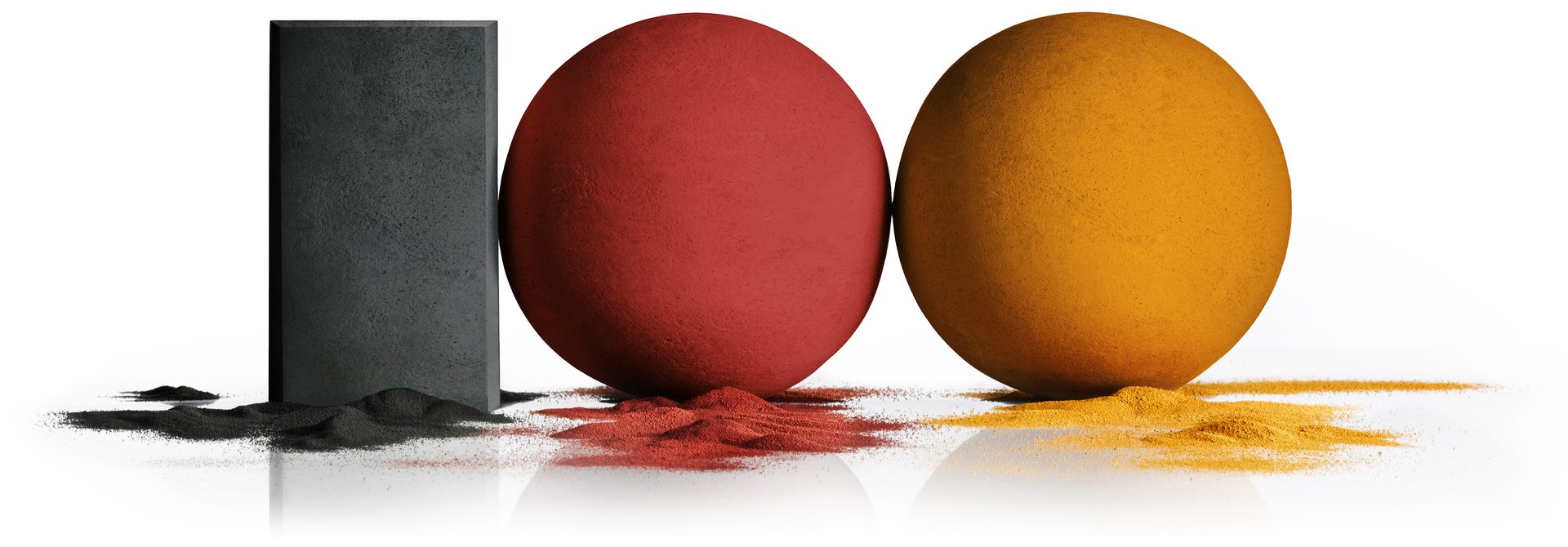
What began as a technical experiment in 1926 has evolved into a true success story in the pigment industry. Around 15 million metric tons of iron oxide pigments have been produced to date at LANXESS’s production site in Germany. This amount would be sufficient to produce more than 200 billion liters of wall paint. On the occasion of the 100th anniversary of its first production, PCI spoke with Renata Rodrigues (pictured), Head of LANXESS Inorganic Pigments Americas, about why sustainability has been a core element of the company’s philosophy from the very beginning — and why it still is today.

Credit: Option 1 Placement
PCI: How does a 100‑year‑old production facility meet modern sustainability requirements?
When we talk about sustainable production processes today, people often think of cutting‑edge technologies. But in our pigment production, sustainability was essentially embedded from the start.
Our story began with a question that was rarely asked 100 years ago — but is more relevant today than ever: What if waste were not waste?
In 1926, a researcher named Dr. Julius Laux dared to explore this very idea. The starting point was the production of aniline from nitrobenzene and scrap iron — a process that generated large quantities of iron oxide as a by‑product. Dr. Laux took a closer look and realized that under certain conditions, this iron oxide was so strong in color and purity that it had the potential to become a high‑quality pigment.
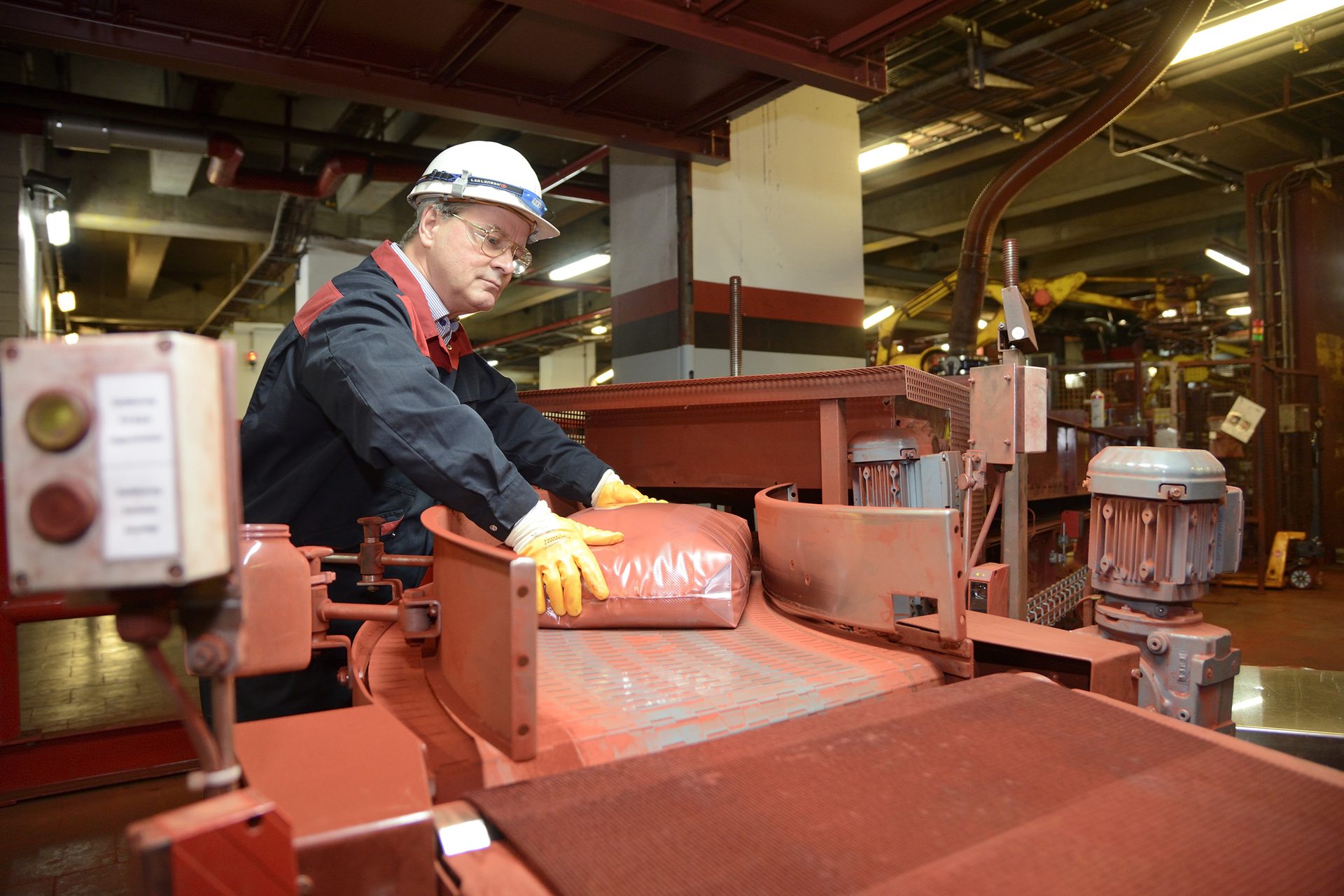
In the so‑called LAUX process, which to this day is only used by LANXESS in Germany, a suspension of black or yellow iron oxide is created depending on the reaction conditions and control chemicals. This suspension is then washed, concentrated, and dried. Red pigments are produced through a subsequent high‑temperature treatment of the black paste.
The process is still considered the most sustainable method worldwide for manufacturing iron oxide pigments. The circular use of metal waste, combined with energy‑efficient reaction steps, makes the LAUX process a true pioneer of modern production standards.
Credit: Option 1 Placement
PCI: How does LANXESS make the value of a sustainable production strategy tangible and transparent?
LANXESS has meanwhile established itself as one of the largest manufacturers of iron oxide pigments with a global production network. Additional process technologies have been added over time, yet sustainability has always remained a core principle of the company’s philosophy.
Today, transparency plays a crucial role — particularly regarding the question: How do we ensure that our sustainability data is traceable, reliable, and comparable?
Our customers increasingly demand clear statements regarding the CO₂ balance of our pigments — and we fully deliver on that. Through targeted measures in production optimization and raw material sourcing, we continuously improve the environmental profile of our iron oxide pigments, which have the lowest CO₂ footprint in the industry.
The environmental footprint of the iron oxide pigment groups produced at our German site is documented through an Environmental Product Declaration (EPD). In addition, we are implementing an ISO 14067‑certified Product Carbon Footprint Engine that automatically calculates the CO₂ footprint of our pigments on a product‑specific basis. Customers can request the validated data directly from our sales team — providing a reliable basis for their own sustainability reports, EPDs, or supply chain analyses.
PCI: What concrete contribution can raw material suppliers make to enable CO₂‑reduced paints and coatings?
The transition toward more climate‑friendly coating systems can only succeed if companies along the entire value chain consistently work to reduce the environmental impact of their products. In discussions about climate‑friendly paints, the significant influence of raw materials is often underestimated. Raw materials account for more than 80% of lifecycle emissions.
In recent years, leading raw material manufacturers have increasingly invested in more sustainable product solutions, which, when combined effectively, offer powerful leverage. This is exactly where the cooperation between LANXESS and Evonik comes into play. Together, we set out to demonstrate how CO₂‑reduced pigment concentrates can be developed — without compromising quality, stability, or color performance.
Our work focused on our new micronized Bayferrox Scopeblue yellow pigments, which are produced using eco‑efficient raw materials, as well as Evonik’s bio‑based surfactants from the TEGO Wet Terra range. By combining these two raw material components, joint studies showed that pigment concentrates could be formulated with a product carbon footprint that was demonstrably 40% lower than standard formulations.
In doing so, LANXESS and Evonik address a key need in the industry: raw materials that can be integrated into emission‑optimized formulations without compromising technical performance.